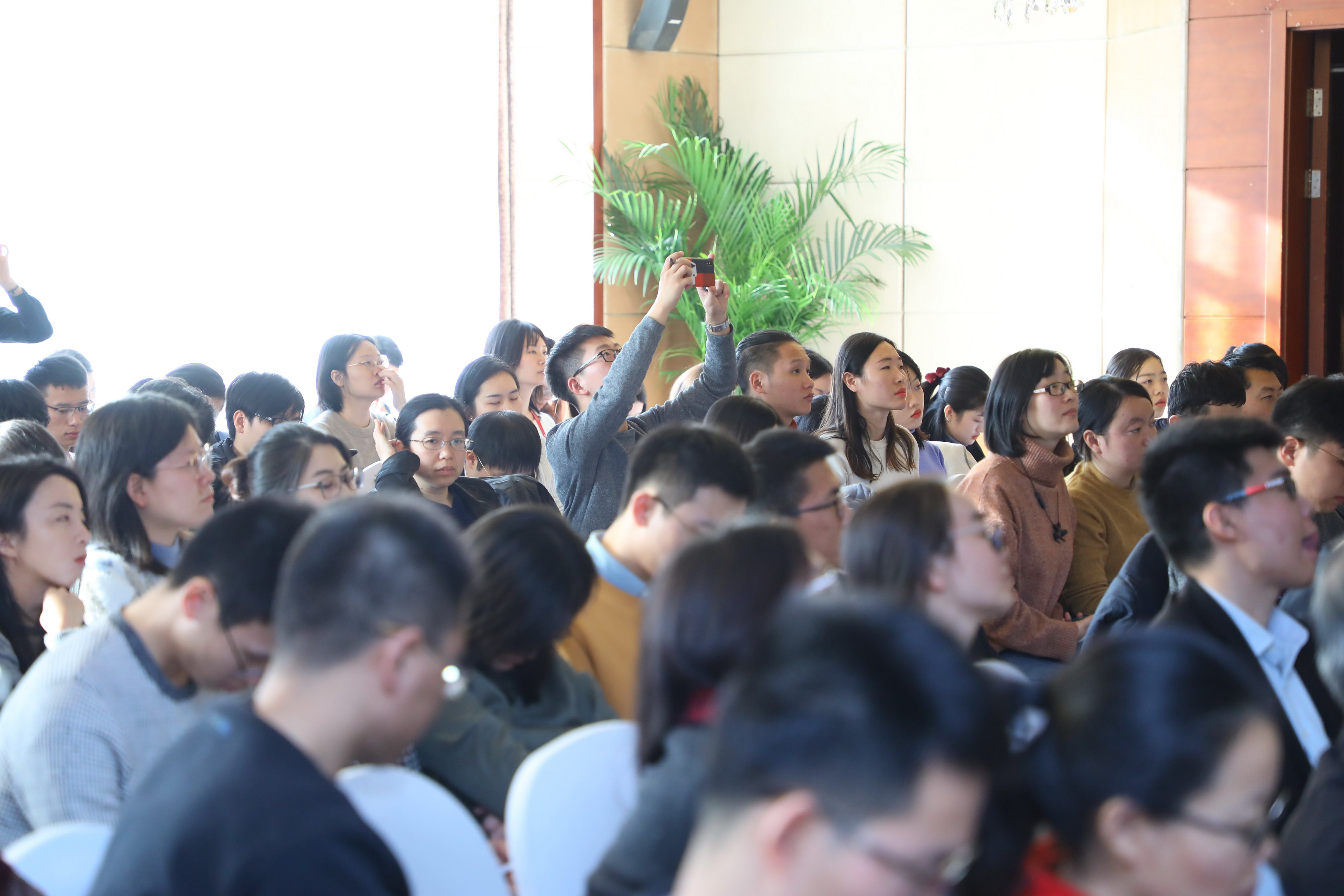
On the afternoon of December 6, 2019, the “2019 Annual Meeting of China Trade Research Group,” hosted by the China Trade Research Group (CTRG), organized by the Center for International Finance and Economics Research (CIFER) of the National Institute of Financial Research at Tsinghua University, and strongly supported by the School of Business of Shanghai University of Finance and Economics and the Shanghai Institute of International Finance and Economics, continued. Session Two was chaired by Professor Qiu Dongxiao of the Faculty of Economics and Business Administration at the University of Hong Kong. Assistant Professor Zhang Hongsong of Economics at the University of Hong Kong, Associate Professor Dai Mi of the School of Economics and Business Administration at Beijing Normal University, Chen Ming of the School of Economics at Xiamen University, and Zhou Rongyun of the School of Economics at Shandong University shared their latest academic research findings.
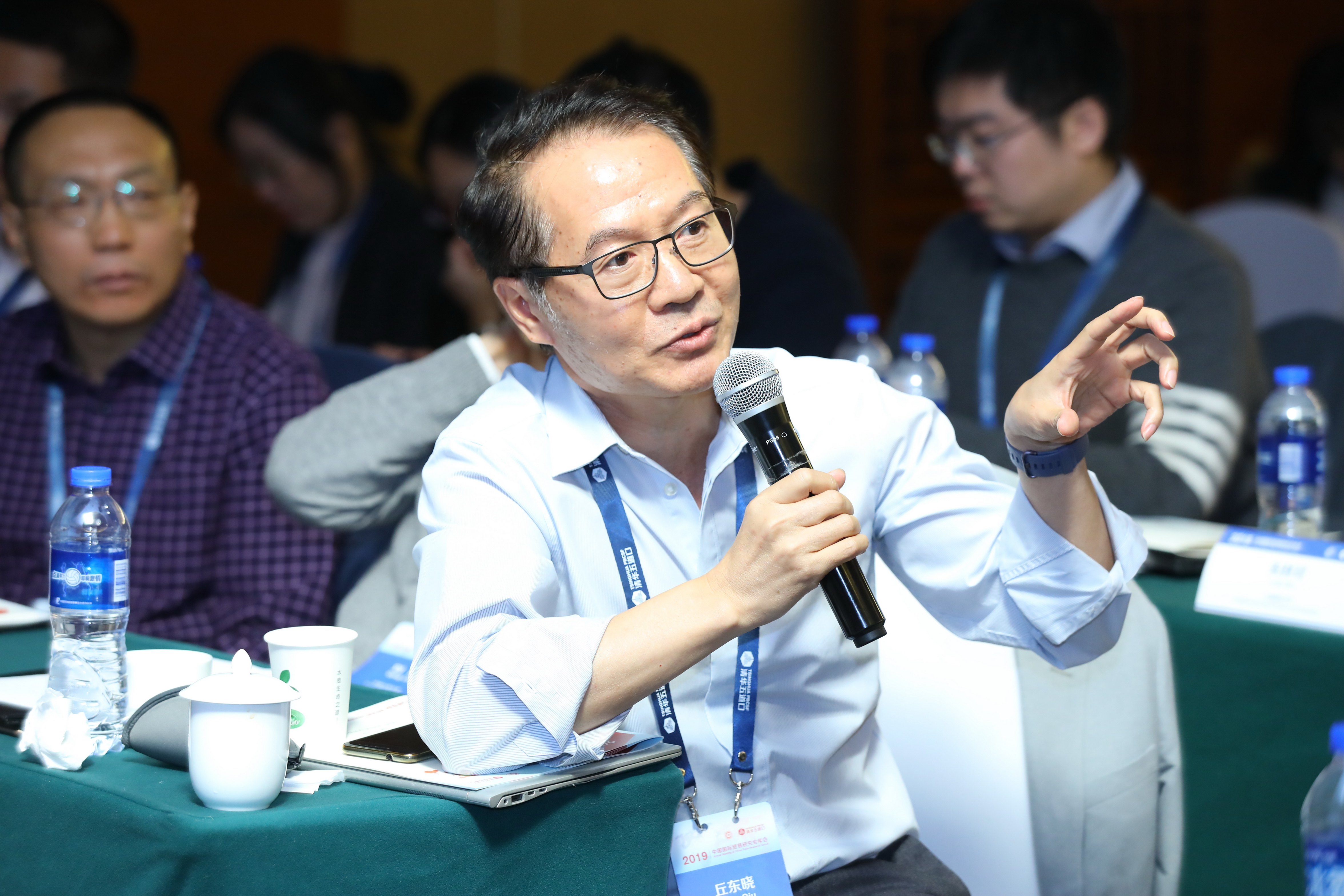
(Photo of Professor Qiu Dongxiao)
Dr. Zhou Rongyun from the School of Economics at Shandong University shared her academic paper with Professor Li Changying from the same school: "How Trade Policy Uncertainty Affects Corporate Zombification." This study uses data from Chinese A-share listed companies from 1998 to 2017 to analyze the impact and channels of trade policy uncertainty on corporate zombieification. The study draws three conclusions: First, a decrease in trade policy uncertainty significantly affects corporate zombieification; second, in terms of impact channels, a decrease in trade policy uncertainty affects corporate zombieification by stimulating corporate innovation, reducing the difficulty of corporate financing, and reducing corporate exports; third, trade policy uncertainty has a significant heterogeneous impact on the zombieification of state-owned and non-state-owned enterprises, high-tech and non-high-tech enterprises, and enterprises in different industries and regions.
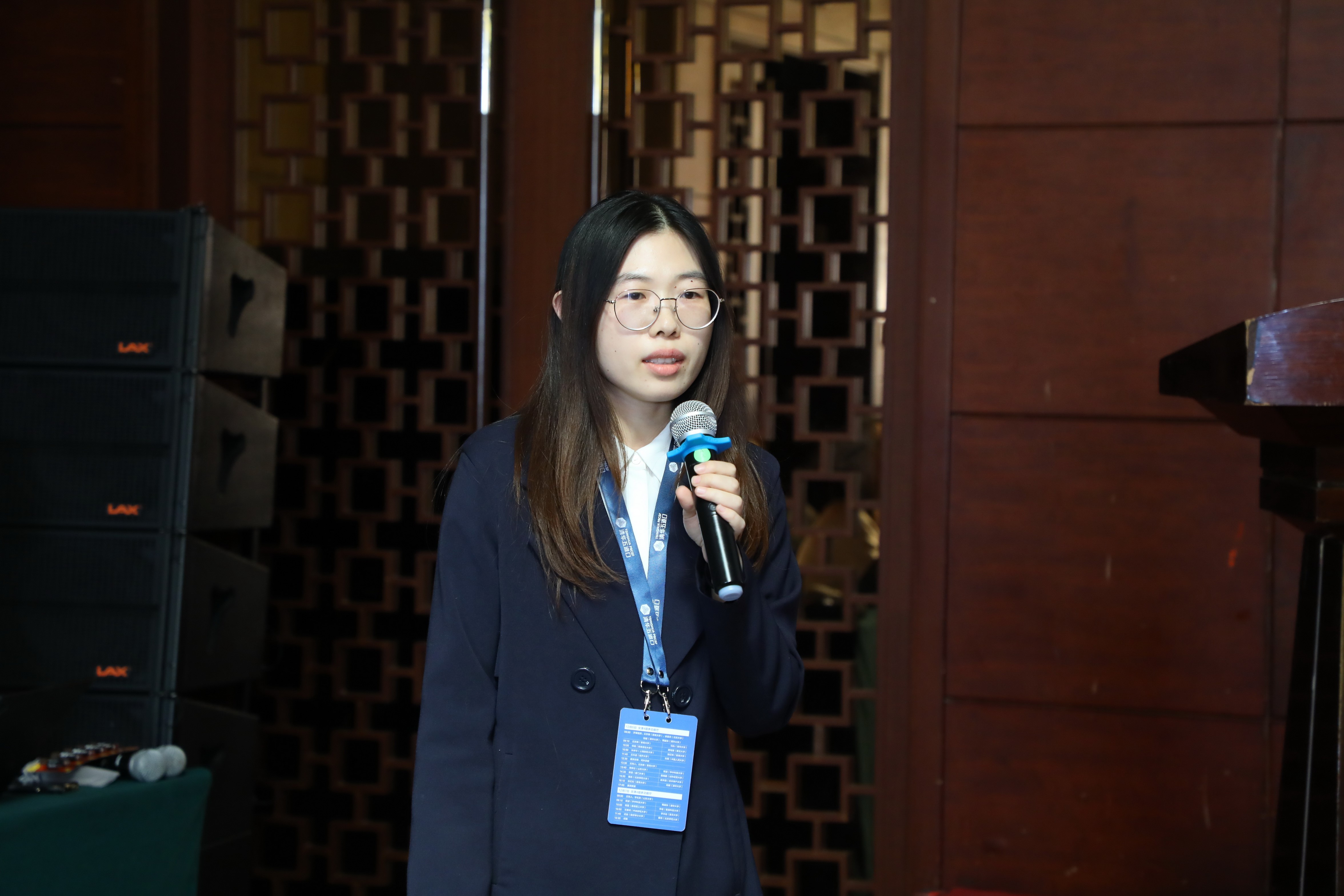
(Photo shows Dr. Zhou Rongyun)
Professor Chen Bo, Vice President and Secretary-General of CTRG, Director of the Center for Open and Development Studies at Huazhong University of Science and Technology, and a Chutian Scholar, commented on Dr. Zhou Rongyun's report: He pointed out that the report's conclusion is that increased trade uncertainty can help us effectively reduce the proportion of zombie enterprises. However, trade policy uncertainty in the text is an independent/exogenous variable and cannot be used as a starting point for policy recommendations. Rather, its resulting effects can be addressed through policy intervention (financing, quality, etc.). Reducing the number of zombie enterprises is not the goal of national and social development; the goal should be economic growth and increased employment. Therefore, reducing the proportion of zombie enterprises through increased trade uncertainty is not the effect we want to achieve.
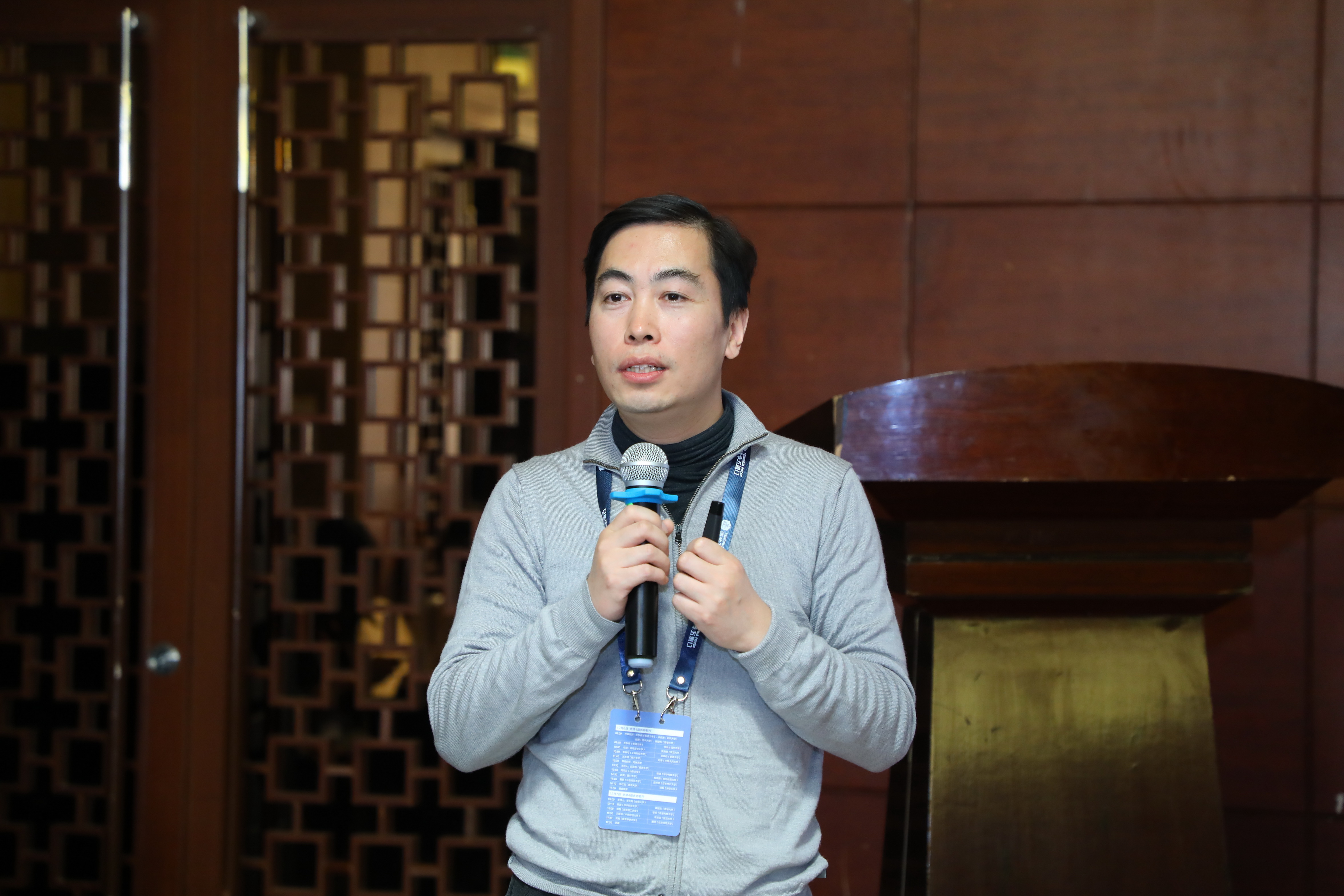
(Photo of Professor Chen Bo)
Dr. Chen Ming from Xiamen University shared his collaborative paper with Professor Chen Wen from the School of Economics at Xiamen University and Professor Li Zhiyuan from Fudan University, titled "Uncertainty of US Antidumping Measures Against China and the Entry and Exit of Chinese Enterprises." Through analysis of global antidumping data (GAD), the study found that while the probability of Chinese exports being subject to antidumping measures in various countries is low, once an antidumping investigation is initiated against a product, the probability of a subsequent antidumping investigation increases significantly. Using Chinese customs import and export enterprise data from 2000 to 2015 and global antidumping data, the research team employed a difference-in-differences method. They found that the uncertainty of US antidumping measures against China reduces the number of new Chinese companies exporting products to the US market, as well as the number of companies newly entering and exiting the affected product market. It also significantly reduces the probability of new companies exporting affected products, as well as the probability of companies newly entering and exiting the US market. Furthermore, they found that antidumping uncertainty significantly reduces the probability of companies exporting adjacent products entering the US market, but has no significant impact on the exit of companies already exporting adjacent products to the US.
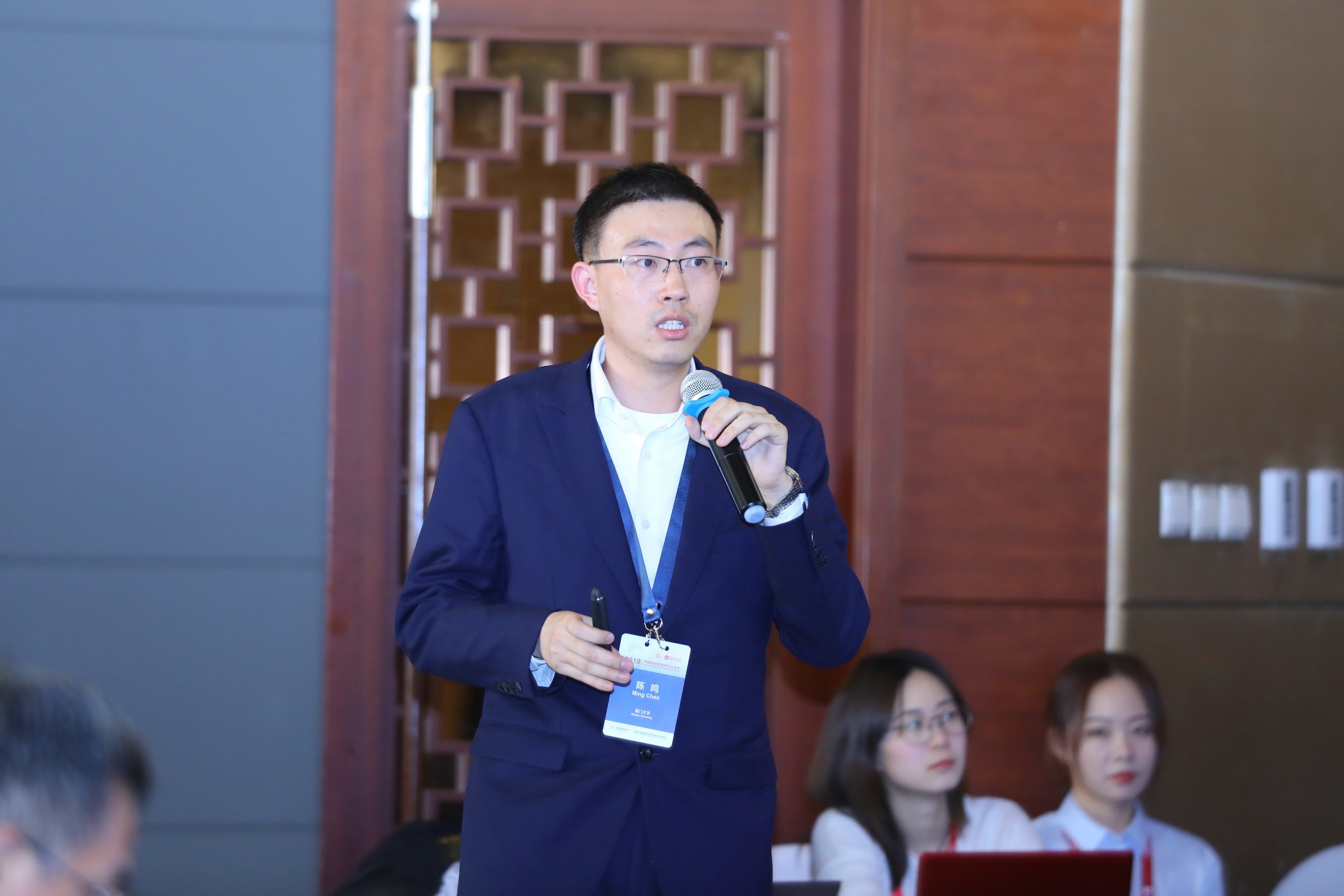
(Photo of Dr. Chen Ming)
Professor Yin Xiaopeng, Vice Chairman of CTRG and Director of the Department of International Trade at the School of International Economics and Trade, University of International Business and Economics, fully affirmed the practical significance of this report. At the same time, Professor Yin also offered relevant suggestions for improving the report: First, the impact of whether antidumping is confirmed or not may better illustrate the role of antidumping uncertainty; second, regarding the triple difference component, the results of pairwise multiplication terms need to be provided to clarify the policy effect; third, it is necessary to clearly distinguish between the impact of the threat of antidumping and the impact of antidumping itself.
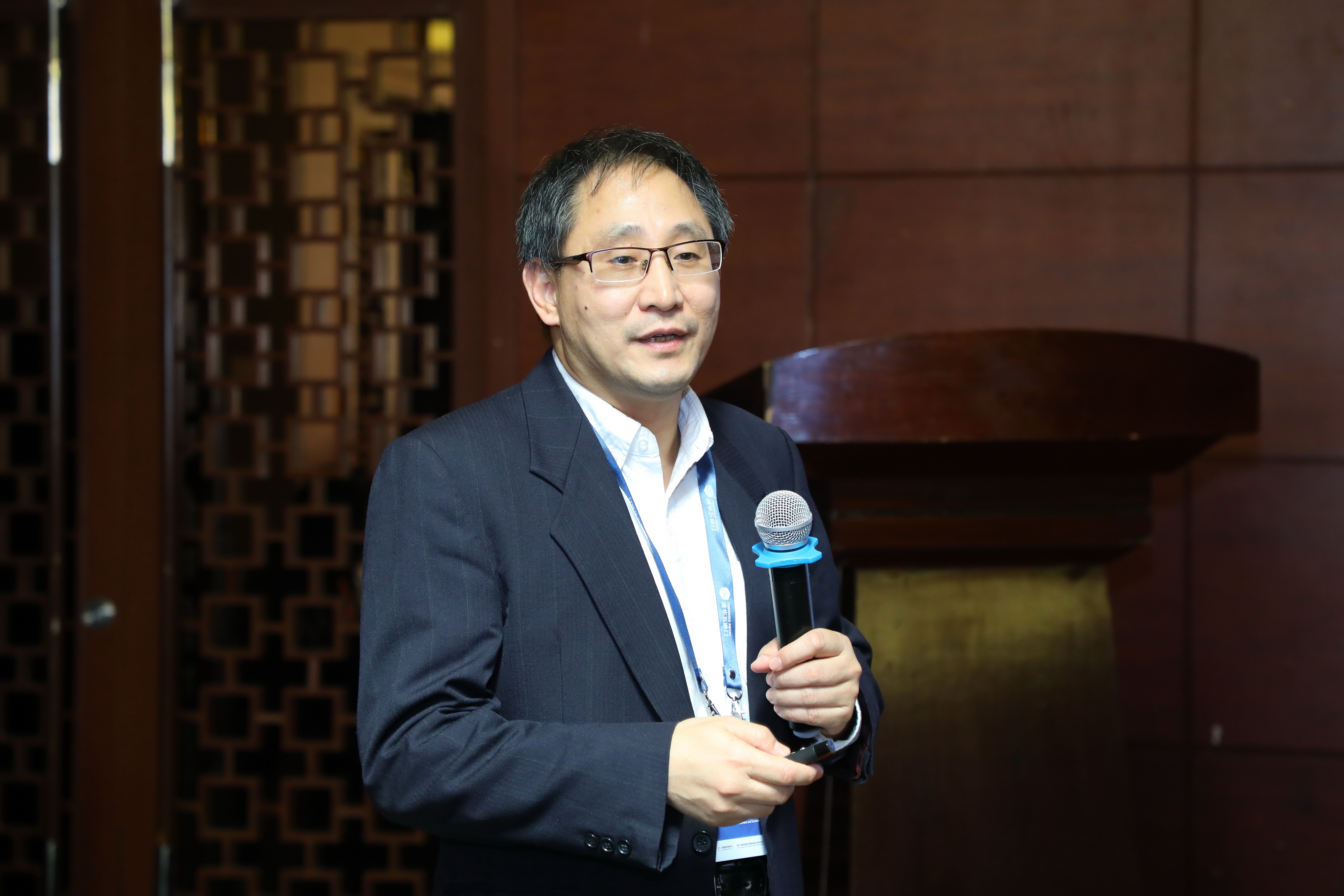
(Photo of Professor Yin Xiaopeng)
Associate Professor Dai Mi of the School of Economics and Business Administration at Beijing Normal University delivered a report entitled "Exports and Rural Economic Development: Micro-Evidence from China." Professor Dai's team used panel data from rural households under the Ministry of Agriculture to explore the impact of China's export expansion on rural household income at the household level after China's accession to the WTO. The uncertainty surrounding US tariff reductions after China's WTO accession varied regionally; in cities with significant expansion of non-agricultural exports, rural households experienced higher income growth and poverty reduction. The research team identified three sources of impact through decomposition: increased labor force participation; increased wage growth in both agricultural and non-agricultural sectors; and increased labor mobility from the agricultural to non-agricultural sectors. Professor Dai also pointed out that expanded non-agricultural exports also improved agricultural productivity, promoted agricultural capital deepening, and facilitated the use of high-quality intermediate goods.
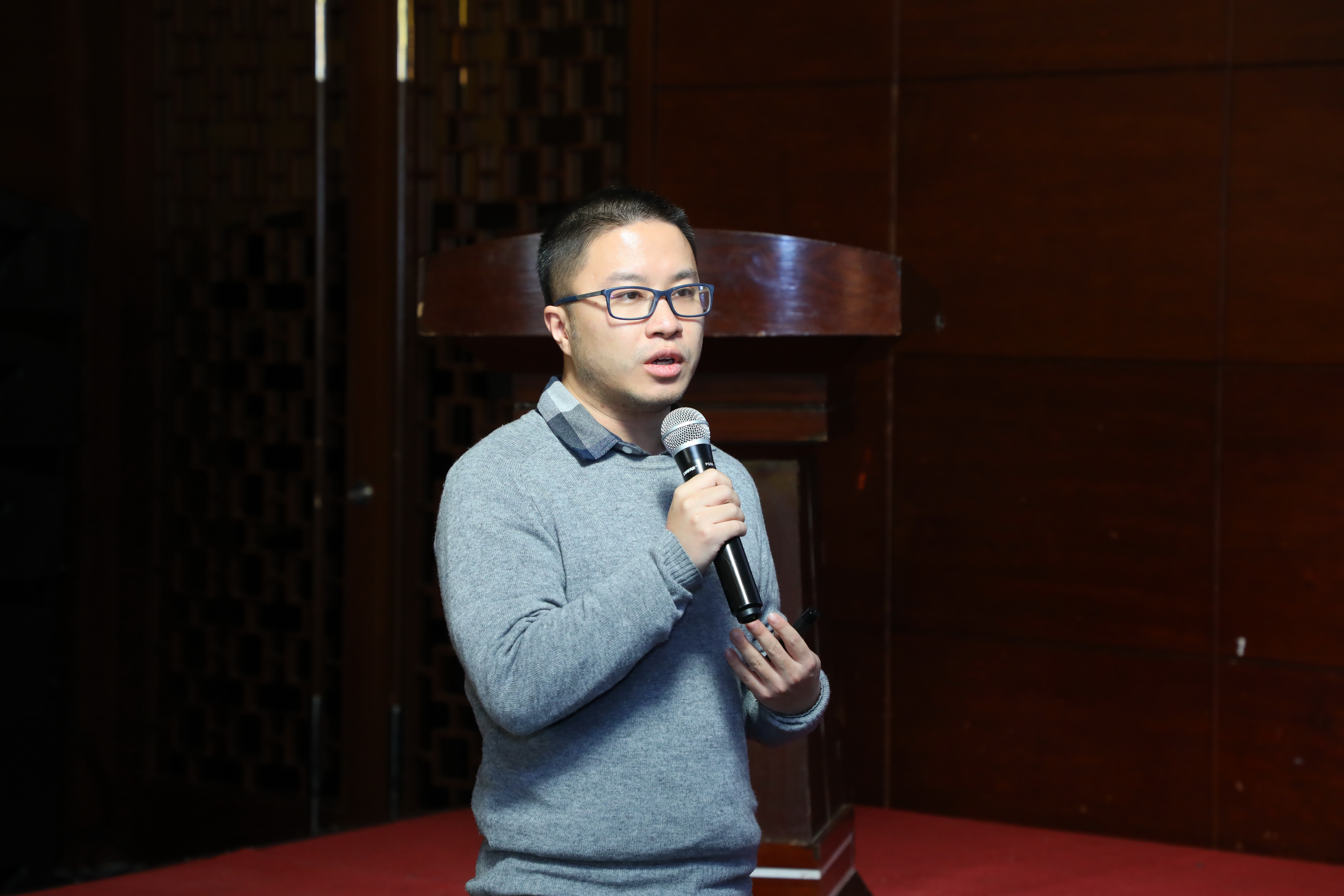
(Photo of Professor Dai Mi)
Professor Zhao Lai-xun, Vice Chairman of CTRG and Professor at the Institute of Economics and Management, Kobe University, Japan, commented on this report: After joining the WTO, increased trade will widen income inequality rather than narrow it, because more opportunities will fall to more productive, younger, healthier, more skilled, and risk-taking migrant workers, enabling them to earn higher incomes. Therefore, Professor Zhao suggests taking into account factors such as village location, gender, age, education level, and worker skill level.
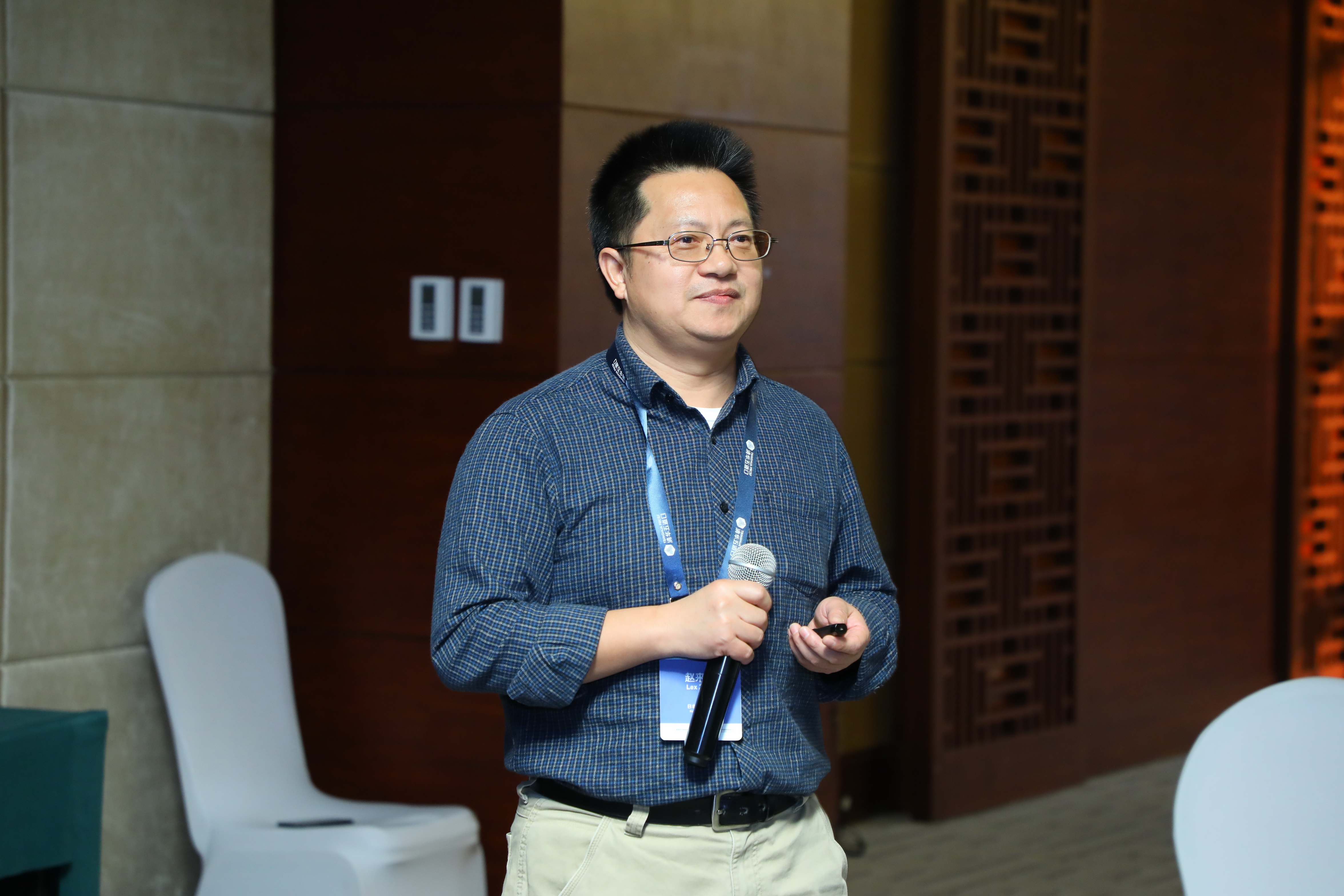
(Photo of Professor Zhao Laixun)
Zhang Hongsong, Vice Chairman of CTRG and Assistant Professor of Economics at the Faculty of Economics and Business Administration, University of Hong Kong, delivered a lecture entitled "Product Quality and Quantity, and the Gap in China's Exports Internationally." Professor Zhang first pointed out that many Chinese export products are highly competitive in developing countries but relatively uncompetitive in developed countries. He then introduced the concepts of "relative quality" and "absolute quality," and based on these concepts, established a new cross-firm and market-comparable quality indicator. He then addressed the issue of the difference in China's export profits in the global market, and how productivity and quality can explain this difference. Finally, Professor Zhang summarized that establishing a cross-market-comparable indicator is crucial for understanding the export profits of Chinese companies in the global market. Both quality and productivity have a significant impact on export profits, but in different ways. Quality affects price more, while productivity affects production costs more.
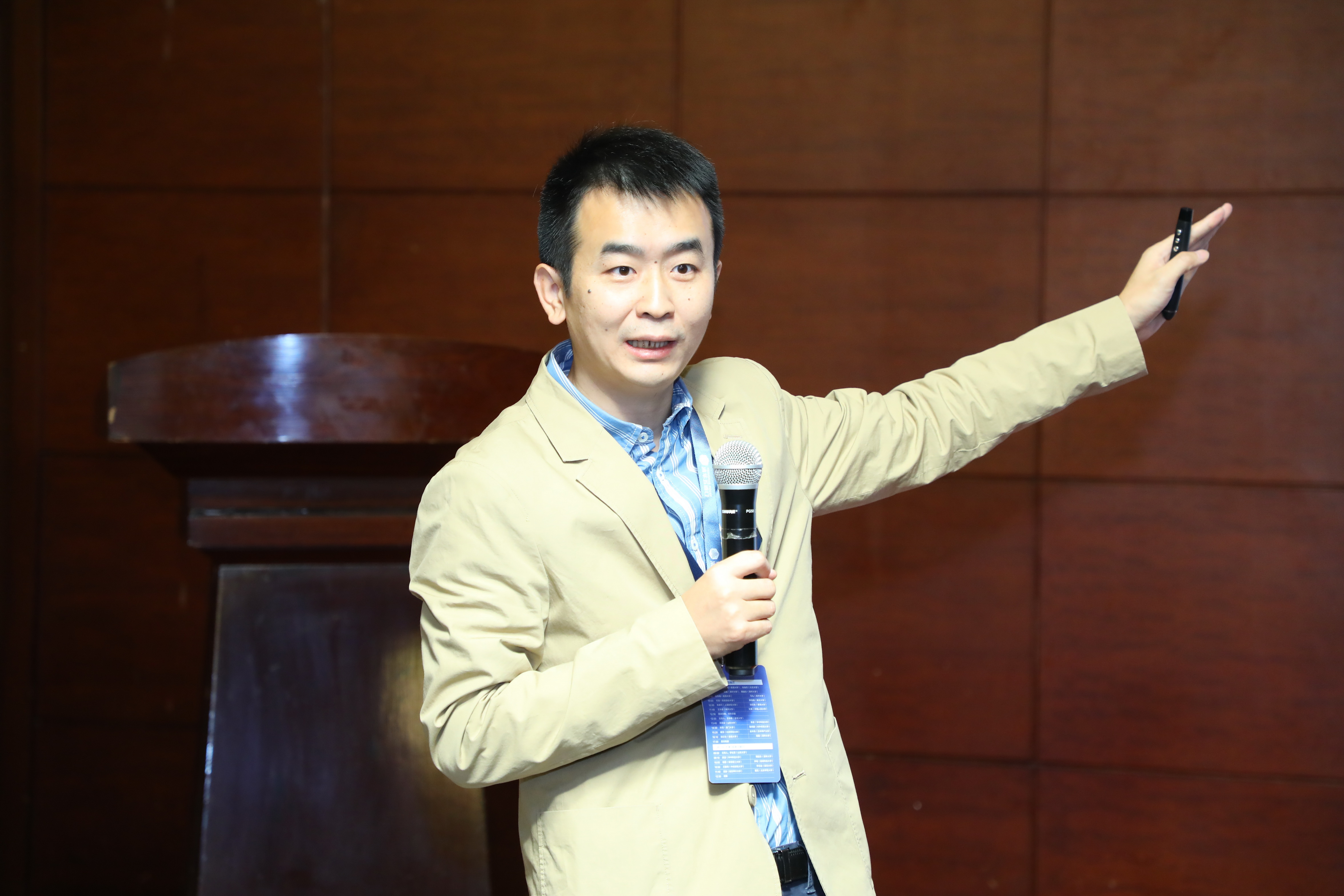
(Photo of Professor Zhang Hongsong)
Professor Lu Yi, Vice Chairman of CTRG, Director of the Department of Economics at the School of Economics and Management, Tsinghua University, and Changjiang Scholar Professor, affirmed Professor Zhang Hongsong's report. At the same time, Professor Lu also pointed out that quality measurement is difficult to measure and can only be estimated, and more data is needed to support it.
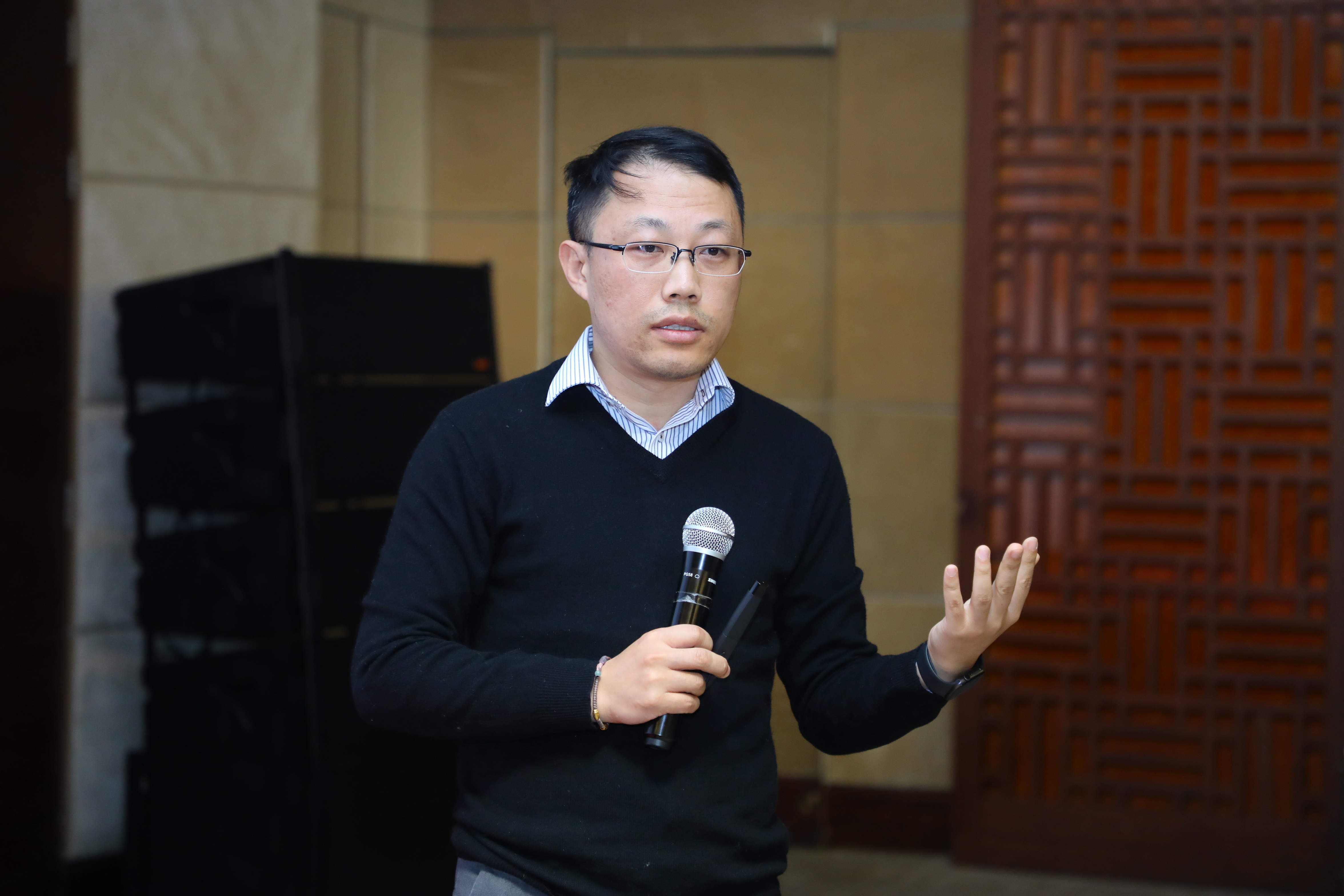
(Photo of Professor Lu Yi)
The speakers, drawing from their respective professional fields, delivered an academic feast for the audience. Their insightful presentations and patient discussions were highly praised. The China International Trade Research Association (CTRG) is a nationwide, non-profit academic organization dedicated to promoting research and development in international trade and investment in my country, while also providing a valuable platform for training and academic exchange in this field. Its establishment has received enthusiastic support and participation from top trade scholars both domestically and internationally. This conference, the 9th annual meeting of CTRG, received nearly 100 academic submissions. All CTRG members gathered at Tsinghua University to review and discuss the selected articles, making it the most successful conference to date.