News | The Sub - forum on "Trade Barriers" —— The Academic Seminar on "2019 International Trade Rela
On the morning of December 8, 2019, the second sub-forum of the academic seminar "2019 International Trade Relations and Globalization Restructuring"—"Trade Barriers"—was successfully held, attracting numerous renowned scholars from across the country. This conference was jointly hosted by the Center for International Finance and Economics Research (CIFER) of the National Institute of Financial Research at Tsinghua University and the Center for Cross-border Digital Capital Research (IDC) of the Institute for Fintech Research at Tsinghua University. Professor Zhao Lai-xun, Professor of Economics at Kobe University, Japan, chaired the conference, and together with Liu Bin, Associate Research Fellow at the China WTO Institute of the University of International Business and Economics, and Zhuang Jialin and Zhang Xiaoqian, PhDs from the School of Economics at Xiamen University, shared their latest research with the audience.
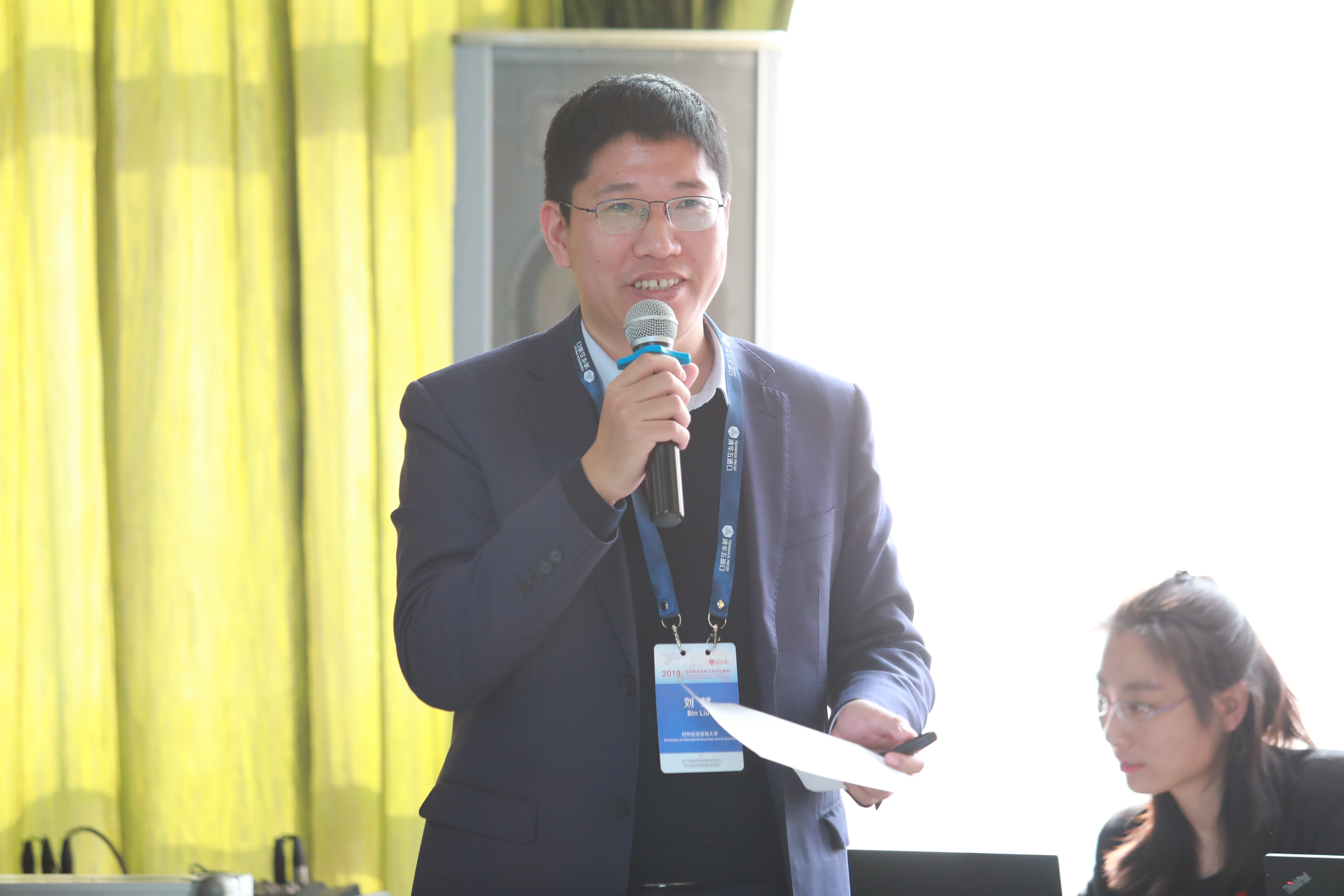
(Photo of teacher Liu Bin)
The conference opened with a keynote speech by Liu Bin, Associate Research Fellow at the China WTO Institute of the University of International Business and Economics, entitled "China-US Trade Friction: Who Bears the Cost of Tariffs?" Professor Liu traced the evolution and characteristics of the four rounds of tariff increases in the China-US trade friction, drawing the following conclusions: From a national perspective, Chinese manufacturers still bear a larger proportion of tariff costs, and the negative impact of tariff increases on Chinese enterprises is greater; from an industry perspective, electromechanical products are relatively more difficult to pass on tariff costs. He offered two suggestions: First, seek the greatest common denominator to prevent decoupling between China and the US, which can be achieved through multilateral, bilateral, and unilateral approaches; second, focus on domestic development to cope with possible forced decoupling, which can be promoted through initiatives such as the Belt and Road Initiative, the Asian Community, and the construction of domestic value chains.
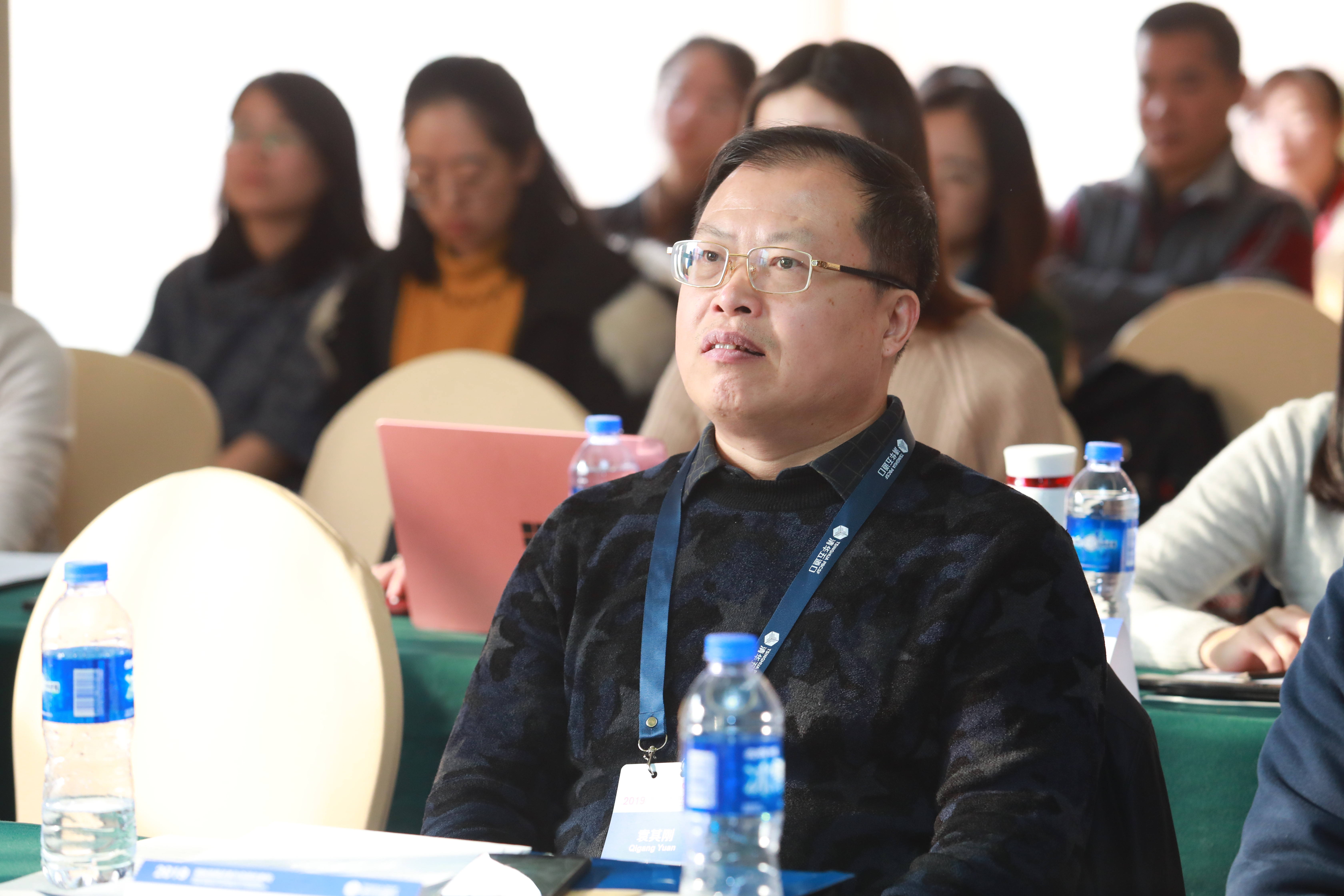
(Photo of Professor Yuan Qigang)
Following this, Professor Yuan Qigang, Vice Dean of the School of International Trade at Shandong University of Finance and Economics, provided commentary from the perspectives of the national, industry, and product levels, as well as model simulation results and robustness checks, offering precise and insightful suggestions. Finally, audience members raised questions regarding the import substitution elasticity, Chinese industrial subsidies, and employment in the context of the Sino-US trade friction, to which Professor Liu Bin provided corresponding answers.
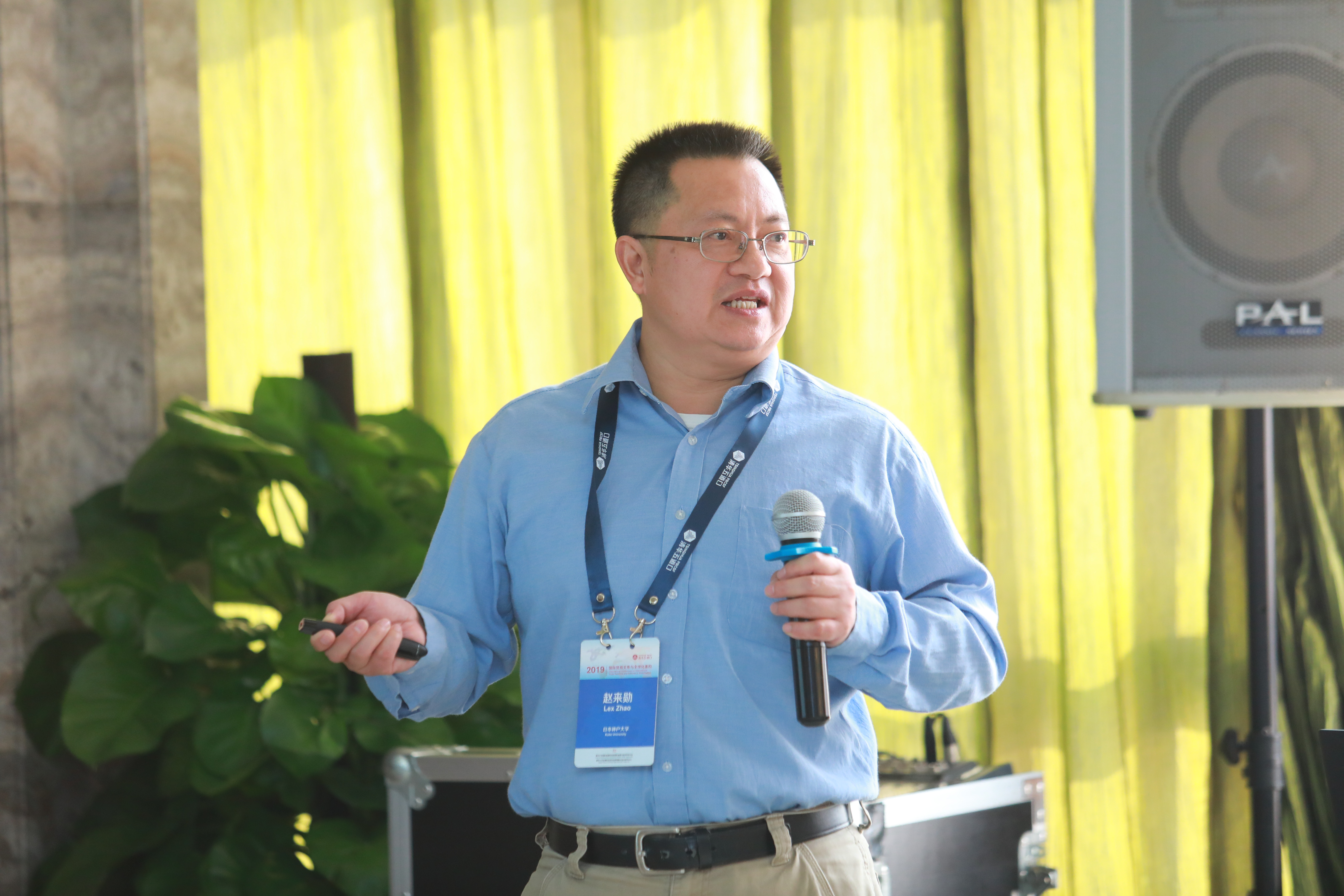
(Photo of Professor Zhao Laixun)
Professor Zhao Lai Xun, an economics professor at Kobe University in Japan, conducted a study on the impact of product quality on anti-dumping declarations from an international economics perspective. First, Professor Zhao introduced a simple theoretical model to demonstrate that low product quality is a significant cause of anti-dumping. He stated that low product quality may stem from the high cost of improving quality or the reputation of low quality, and further confirmed this theoretical mechanism using product-level data from China from 2000 to 2013 and various robustness tests. Second, Professor Zhao and his collaborators identified two mechanisms by constructing proxy variables for marginal cost and quality reputation. The results showed that China did not maliciously dump products into the world market; on the contrary, Chinese products were sold at relatively low prices due to their low quality. Finally, Professor Zhao constructed subsamples based on firm ownership and location, concluding that state-owned enterprises and enterprises in central and western China are more likely to be subject to anti-dumping measures.
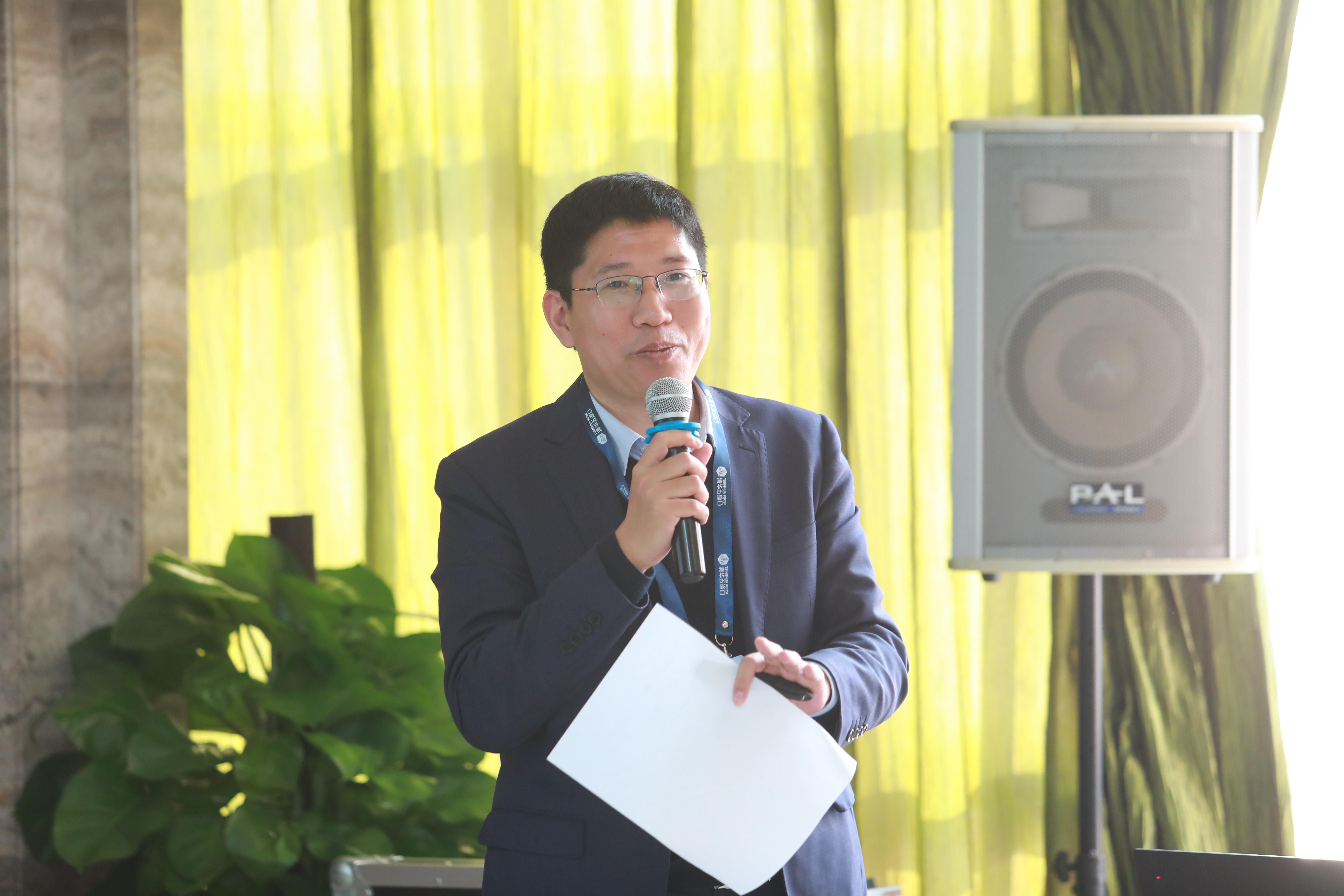
(Photo of teacher Liu Bin)
In his comments, Liu Bin, Associate Research Fellow at the China WTO Institute of the University of International Business and Economics, pointed out, "The article's ideas are excellent. It uses big data to analyze problems not only at the product level but also at the enterprise level, establishing a theoretical model." Professor Liu also emphasized several factors to consider, such as whether the anti-dumping investigation was ultimately initiated, whether the country imposed tariffs, the initiating country of the anti-dumping action, and the lag effect. Professor Liu suggested further extended analysis and attention to the issue of subsidies.
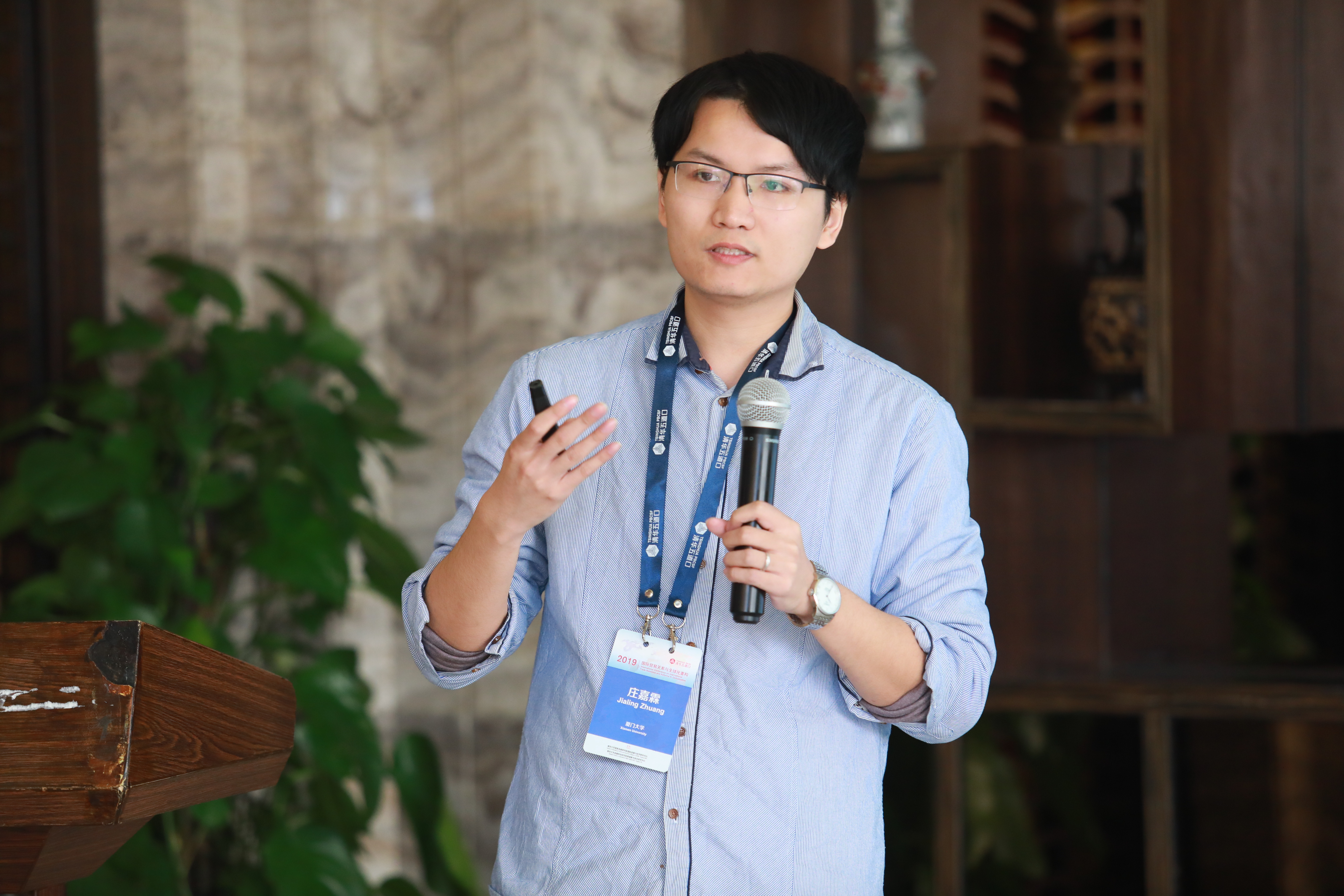
(Photo of Dr. Zhuang Jialin)
Dr. Zhuang Jialin from the School of Economics at Xiamen University delivered a keynote speech on "US Antidumping Measures Against China, Imports of Intermediate Goods, and the Quality of Exported Products." First, based on Chinese customs trade data and World Bank antidumping data from 2000 to 2014, he used the difference-in-differences method to empirically explore the impact of US antidumping investigations on the quality of Chinese export products and to investigate its impact mechanism. His empirical results show that US antidumping measures against China have a significant negative impact on the quality of Chinese export products, and this impact holds true at the initiation, preliminary, and final stages of the antidumping investigation. These conclusions remain robust even after considering different control group choices, outlier removal, different combinations of control variables, and excluding the lagged effects of historical antidumping cases. Next, Dr. Zhuang further examined the heterogeneous impact of US antidumping on the quality of Chinese export products from different perspectives, including product quality quantiles, industry factor intensity, enterprise ownership, and product technology content. He found that the impact of antidumping varies on the product quality of enterprises with different characteristics. Finally, Dr. Zhuang explored the impact mechanism of US anti-dumping measures on the quality of Chinese export products from the perspective of intermediate goods imports, and found that US anti-dumping measures on China have suppressed Chinese companies' imports of intermediate goods, thereby leading to a decline in the quality of export products.
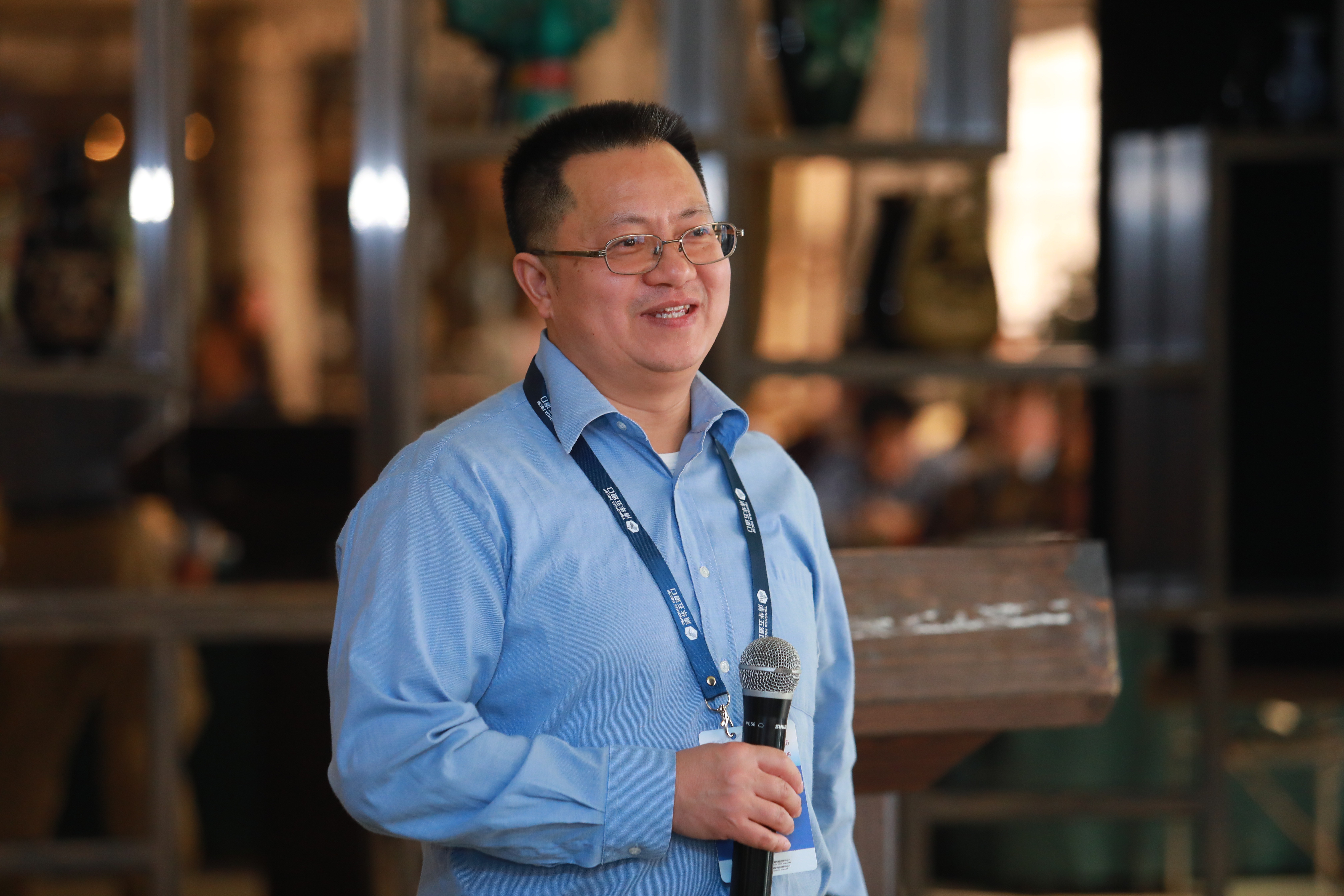
(Photo of Professor Zhao Laixun)
In his comments, Professor Zhao Lai-xun of Kobe University, Japan, stated that the authors' work was meticulous and logically clear, providing numerous indicators to verify product quality, including some rather unique ones. He suggested trying more commonly used methods. Professor Zhao pointed out that while the anti-dumping measures mentioned in the article have a negative impact on the quality of Chinese products, this can also be viewed dialectically from both long-term and short-term perspectives.
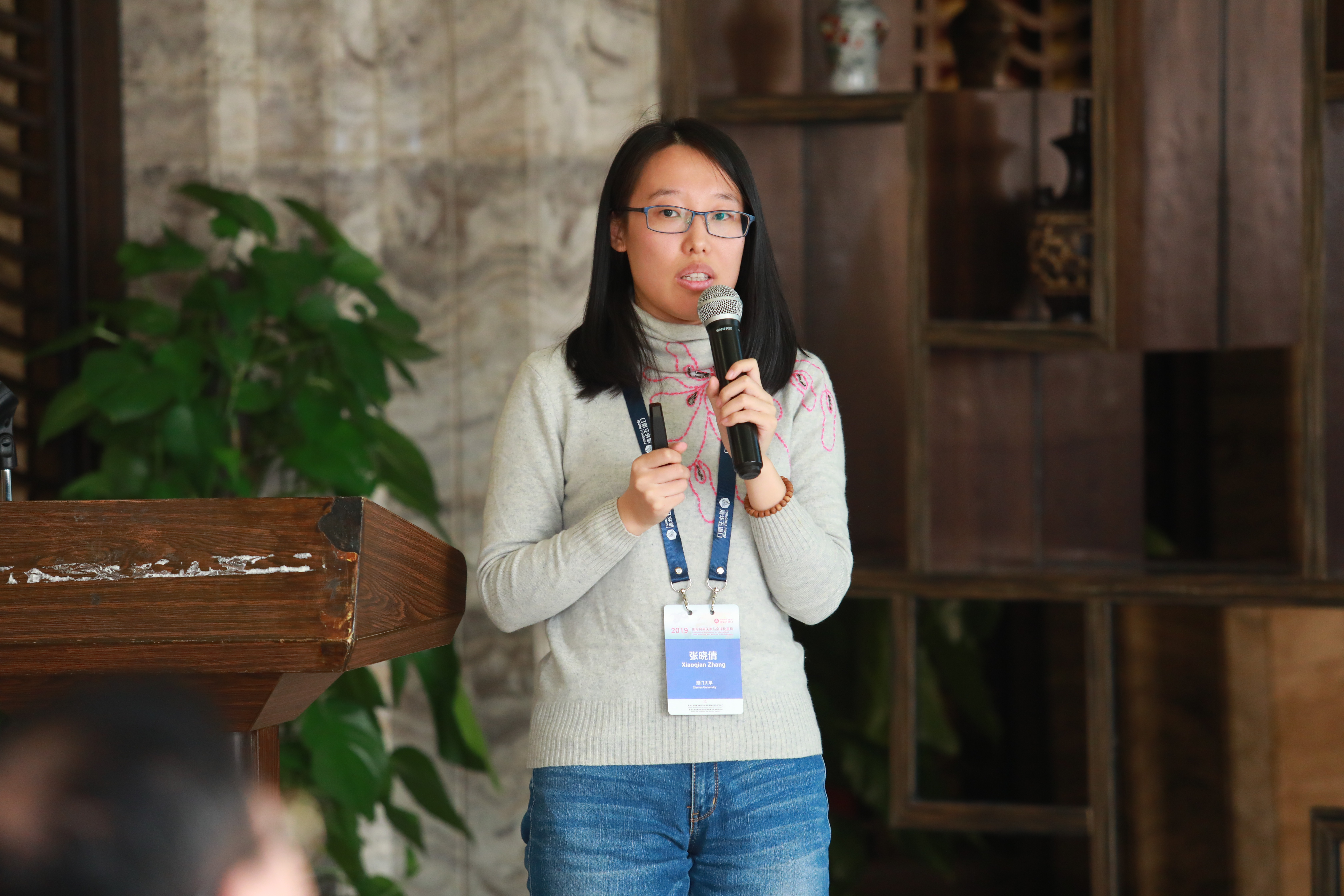
(Photo of Dr. Zhang Xiaoqian)
Dr. Zhang Xiaoqian's research report from the School of Economics at Xiamen University focuses on "The Impact of Trade Remedy Measures on the Real Trade Gains of Downstream Enterprises." Dr. Zhang constructs a difference-in-differences model to explore the intrinsic mechanisms and channels through which China's anti-dumping measures affect the trade gains of domestic downstream enterprises in the global value chain from the perspective of the domestic added value of enterprise exports. First, Dr. Zhang introduces the background and development of international trade and global value chains, leading to the core issue addressed in the research: Under the GVC (Global Value Chain) division of labor, how does China's anti-dumping of imported intermediate goods affect the domestic added value of exports by domestic downstream enterprises? Subsequently, Dr. Zhang introduces the construction and derivation process of the model required for this research, covering theoretical mechanisms, model setting, and data processing, and ensures the validity and rationality of the model construction and research conclusions through a series of tests and analyses. Next, Dr. Zhang points out that the research found that while imposing anti-dumping duties on imported intermediate goods increases the relative price of foreign intermediate goods, it does not effectively promote the corresponding domestic downstream enterprises to increase their use of domestic intermediate goods; on the contrary, anti-dumping reduces the domestic added value in the exports of these enterprises. Finally, Dr. Zhang provides a series of policy recommendations based on the conclusions of her research.
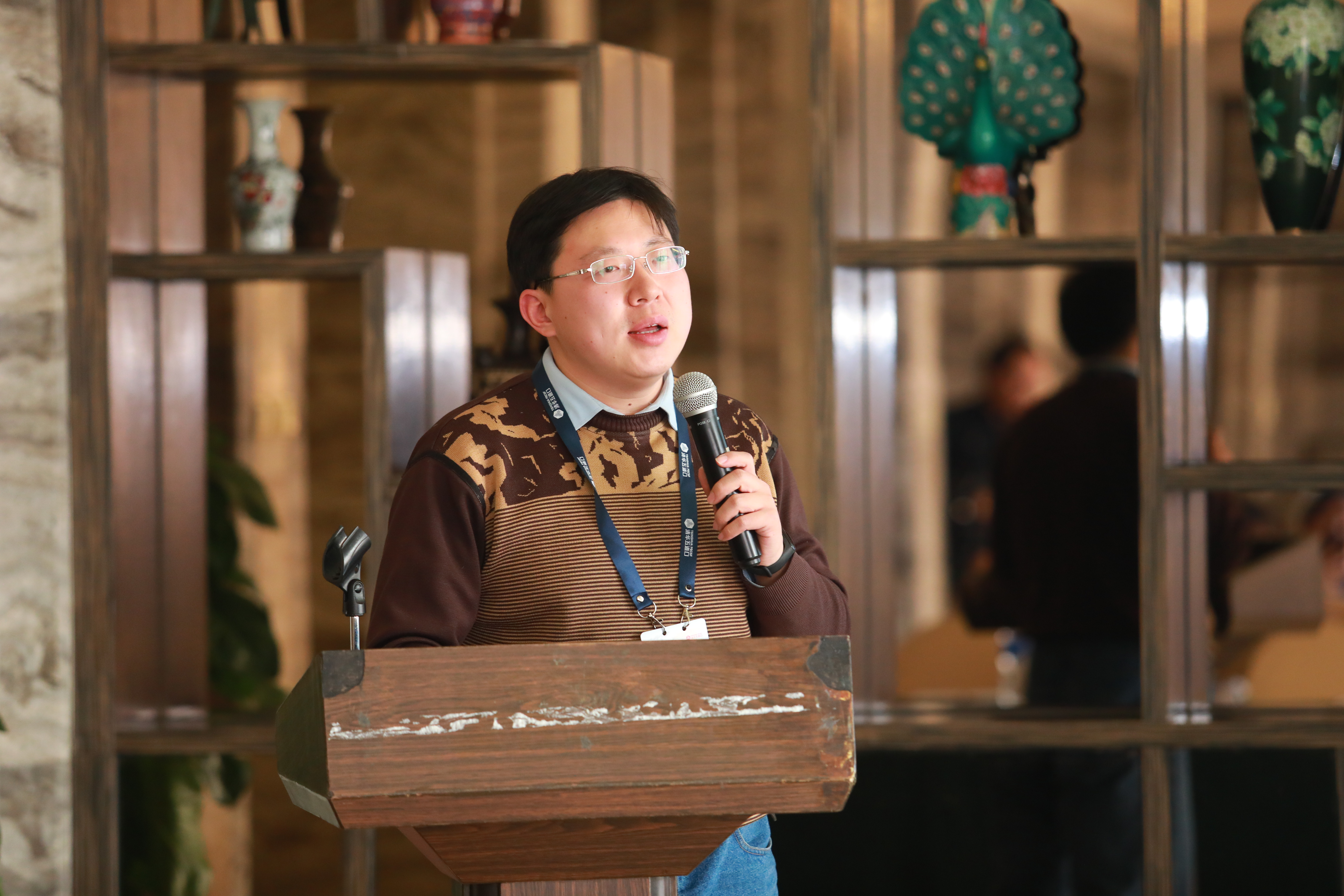
(Photo of Professor Chen Ye)
Chen Ye, Assistant Professor at the School of Economics and Management, Shanghai Ocean University, believes that ZhangXiaoqianThe doctoral candidate's research data is solid and comprehensive. The research focuses on China's anti-dumping measures, a topic with relatively little relevant literature, making it significant. Professor Chen also suggested that more attention be paid to the preliminary ruling and arbitration sections, and that the classification of data related to changes in enterprise data be further refined. He further proposed exploring the possibility of researching the effective anti-dumping tariff rate.
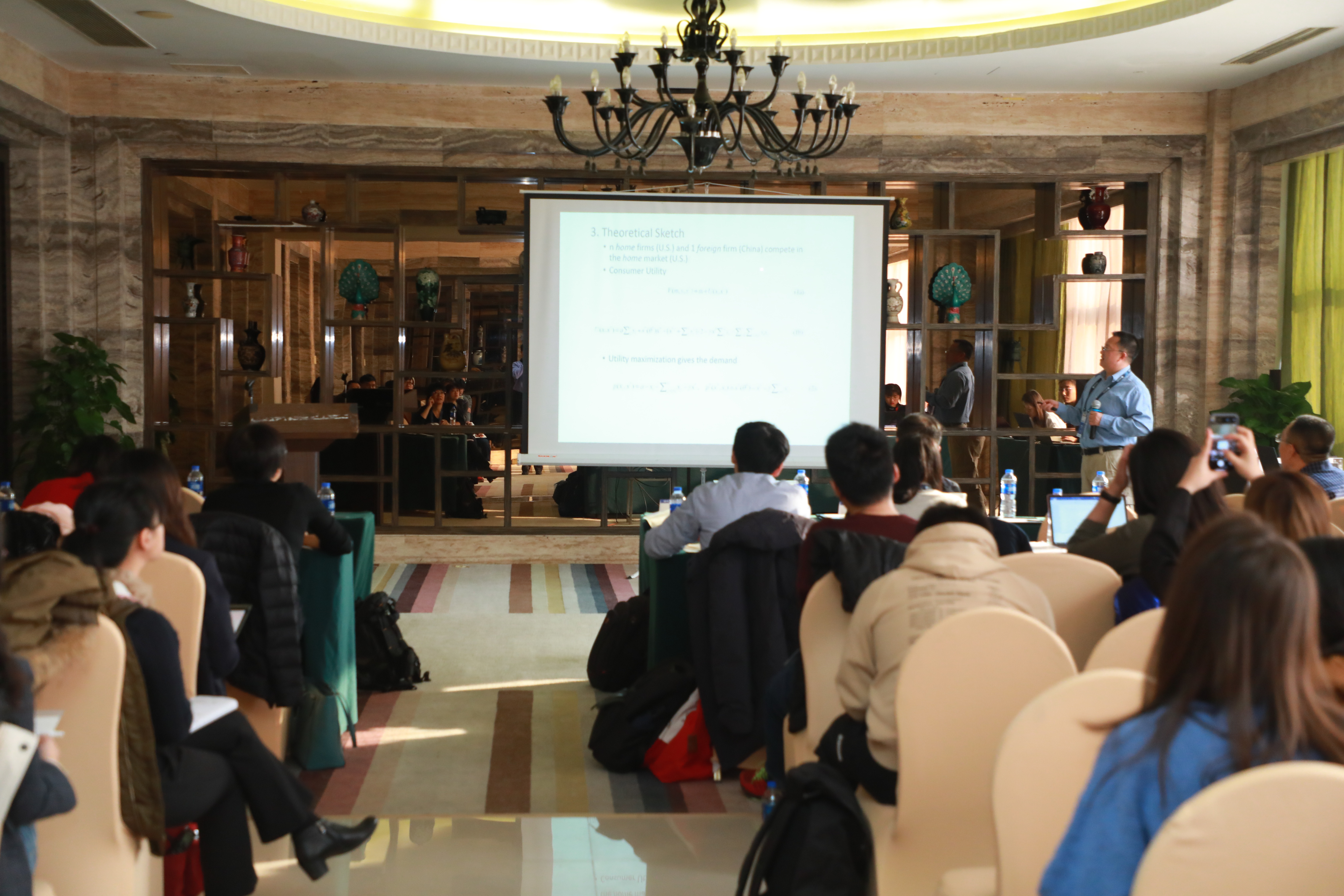
(Site 2 of the sub-venue)
The speakers and commentators, drawing from their respective research fields, delivered an academic feast. The audience and guests engaged in lively discussions and exchanges.Trade barriersThe sub-forum concluded amidst enthusiastic applause.The "2019 International Trade Relations and Globalization Restructuring" academic symposium was the second cutting-edge academic forum organized by CIFER to discuss the Sino-US trade dispute and international trade relations. This year's various sub-forums attracted more than 3,000 participants, collected more than 200 articles, received nearly 300 volunteer resumes, had more than 50 speakers, and had more than 1,000 attendees at the opening ceremony. It is the largest academic forum in China and even the world to discuss Sino-US economic and trade relations, representing the forefront of thought in the field of international trade relations research.